
Biodegradable packaging: what works and what doesn’t
Biodegradable packaging is often presented as a sustainable solution to the growing packaging waste problem. Yet in practice, not every “biodegradable” packaging actually yields environmental benefits. Effectiveness depends on composition, use environment and post-use processing. Additional technical requirements are added in the cold chain: barrier properties, moisture resistance and mechanical strength under low temperatures. Professionals in food and pharmaceuticals therefore face a complex trade-off between compostability, recyclability and functional performance. The question is not only whether biodegradable packaging can work, but under what conditions they do. An actual assessment requires an understanding of material behavior, regulations and process conditions within temperature-controlled logistics.
Customization for your unique challenge
Choose solutions that fully meet your needs. At Coolpack, we’re ready with innovative and reliable products for conditioned transport. Together we will be happy to discuss what works for you. Discover what’s possible. Click below for more information.
Specialist in the market
For conditioned transport
Always a solution
Perfectly tailored to your situation
Fast delivery
Your products safe and fresh
Trusted quality
Known to perform time and again
Technical basis and standards frameworks
Biodegradable packaging are materials that are broken down by microorganisms under specific conditions into water, CO₂ and biomass. Those conditions are defined in standards such as EN 13432 (Europe) and ASTM D6400 (USA). These standards require degradation within 180 days in an industrial composting facility at about 58 °C, including requirements for disintegration, ecotoxicity and heavy metals. This means that not every material that may appears, actually meets these criteria.
In practice, a distinction is also made between biobased, biodegradable and compostable. Biobased refers only to the origin (e.g., starch, PLA, cellulose), while compostable indicates that the material meets formal degradation criteria.
The EU Packaging and Packaging Waste Regulation (PPWR) further tightens the application. Compostable packaging is allowed only for products that inevitably end up in the biowaste stream, such as coffee pods, tea bags and labels on fruits and vegetables. For most transport and shipping packaging, recyclability remains the main direction.
Performance and limitations in practice
1. Mechanical strength and barrier properties.
Biodegradable polymers such as PLA, PBAT and PHA exhibit lower tensile strength and barrier properties than conventional polyolefins. Under cold and humid conditions, such as in temperature-controlled logistics, brittleness may occur. This limits their usability for heavy or moisture-sensitive products.
Barrier properties are usually expressed in OTR (oxygen transmission rate) and WVTR (water vapour transmission rate). Compostable films often achieve values that are insufficient to protect moisture- or oxygen-sensitive foods for long periods of time. For cold-chain applications, this is a real risk to product quality.
2. Moisture load and thermal stability.
Condensation and fluctuations in relative humidity occur during storage and transportation. PLA and starch-based blends absorb moisture, causing material to deform or lose strength. At low temperatures, the material actually becomes stiffer and more brittle. To compensate, manufacturers use additives or multilayers, which in turn reduces compostability.
3. Degradability in real conditions.
Compostability standards are based on controlled industrial conditions. In natural environments, such as home composting or waste ending up in the environment, decomposition is much slower. Studies by European waste processors show that some certified packaging is still recognizable in compost even after 12 weeks. This makes correct collection and industrial processing crucial.
4. Mismatch between material and waste infrastructure
In many countries, there is no uniform industrial composting system for packaging materials. As a result, biodegradable packaging often ends up in residual waste or recycling streams, where it can degrade the quality of recyclate. The environmental benefits then disappear completely. Effective deployment therefore requires coordination with local waste processors and clear sorting instructions.
When biodegradable packaging does work
GFT-related applications
Packaging that is discarded along with food scraps, such as capping films, food bags or labels on vegetables, can arguably contribute to better segregation of biowaste. These products follow the natural process of organic processing and do not cause contamination in recycling streams.
Short useful life and low risk
Applications with short life cycles and limited barrier or mechanical strength requirements are suitable: disposable food packaging, cups, or inner bags for organic waste. In this category, the environmental impact often meets LCA targets, provided correct processing is ensured.
When it doesn’t work
Long-term or demanding logistics processes
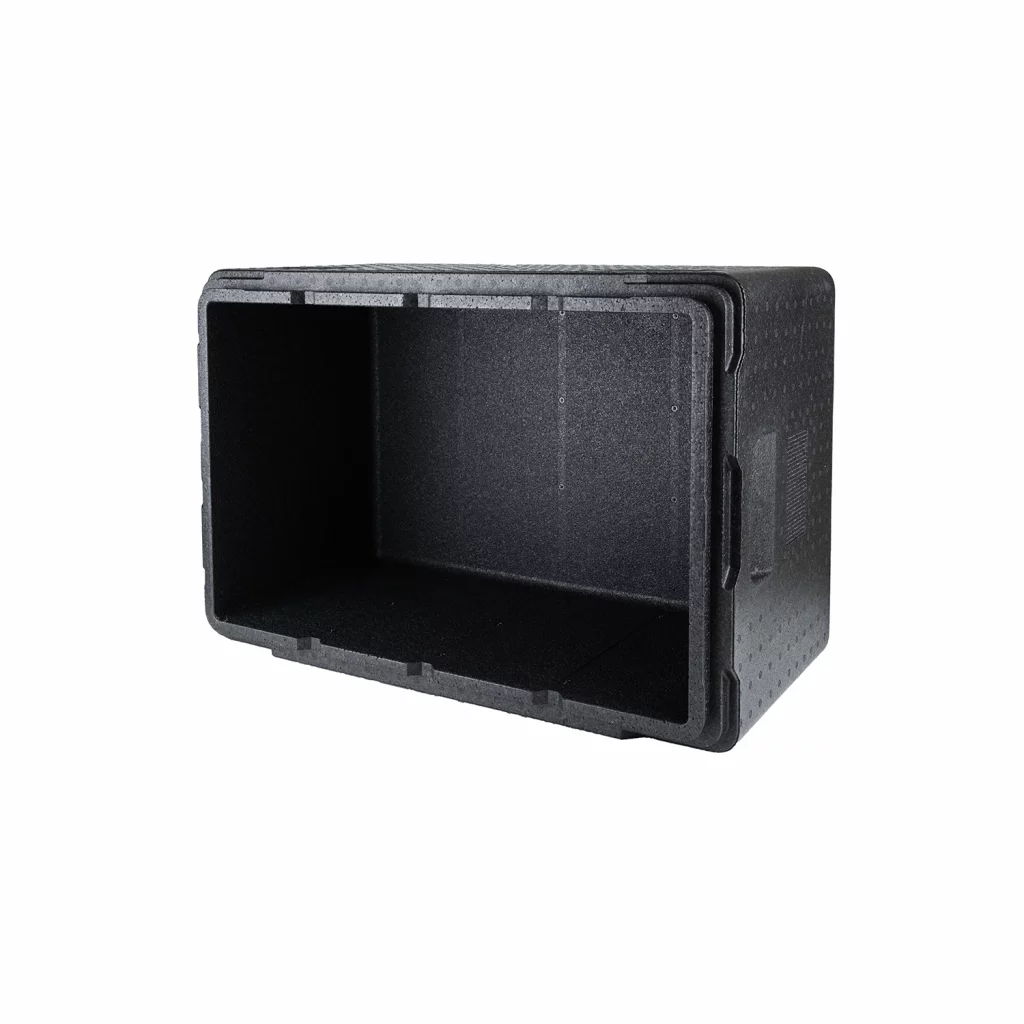
For temperature-controlled transport, where stability, insulation and moisture resistance are essential, biodegradable polymers do not function as well. Here, the use of monomaterials with proven thermal efficiency, such as EPP or recycled PE, provides greater security and reusability.
Combination with non-degradable components
Many “biodegradable” packages consist of composite materials with coating layers or adhesives that are not compostable. This prevents complete degradation and undermines certification. Design according to the principle of Design for Disintegration is therefore necessary.
Improper communication
Marketing labels such as “eco” or “green” lead to confusion. Only a certified logo (e.g., OK Compost or Seedling) and clear waste instructions ensure proper disposal and processing.
Recommended design and decision principles
- End-of-life-first: determine whether compostability is really the right route; recycling remains the preferred option for most packaging.
- Test under relevant conditions: validate compostability, barrier and mechanical performance at low temperatures and humid environments.
- Use monomaterials whenever possible to facilitate sorting and recycling.
- Work with certified materials in accordance with EN 13432 or ASTM D6400.
- Monitor waste disposal: coordinate design with regional composting facilities or collection systems.
- Evaluate environmental impact via LCA to determine if the material actually contributes to emission reduction and resource savings.
Conclusion from the literature
Biodegradable packaging can be effective within specific contexts, especially with short life cycles and direct linkage to biowaste treatment. For logistics-intensive applications with high thermal efficiency and mechanical stability requirements, recyclable or reusable monomaterials generally offer better performance as well as lower environmental impact.
Recommended sources:
How Coolpack contributes to realistic sustainability in packaging design
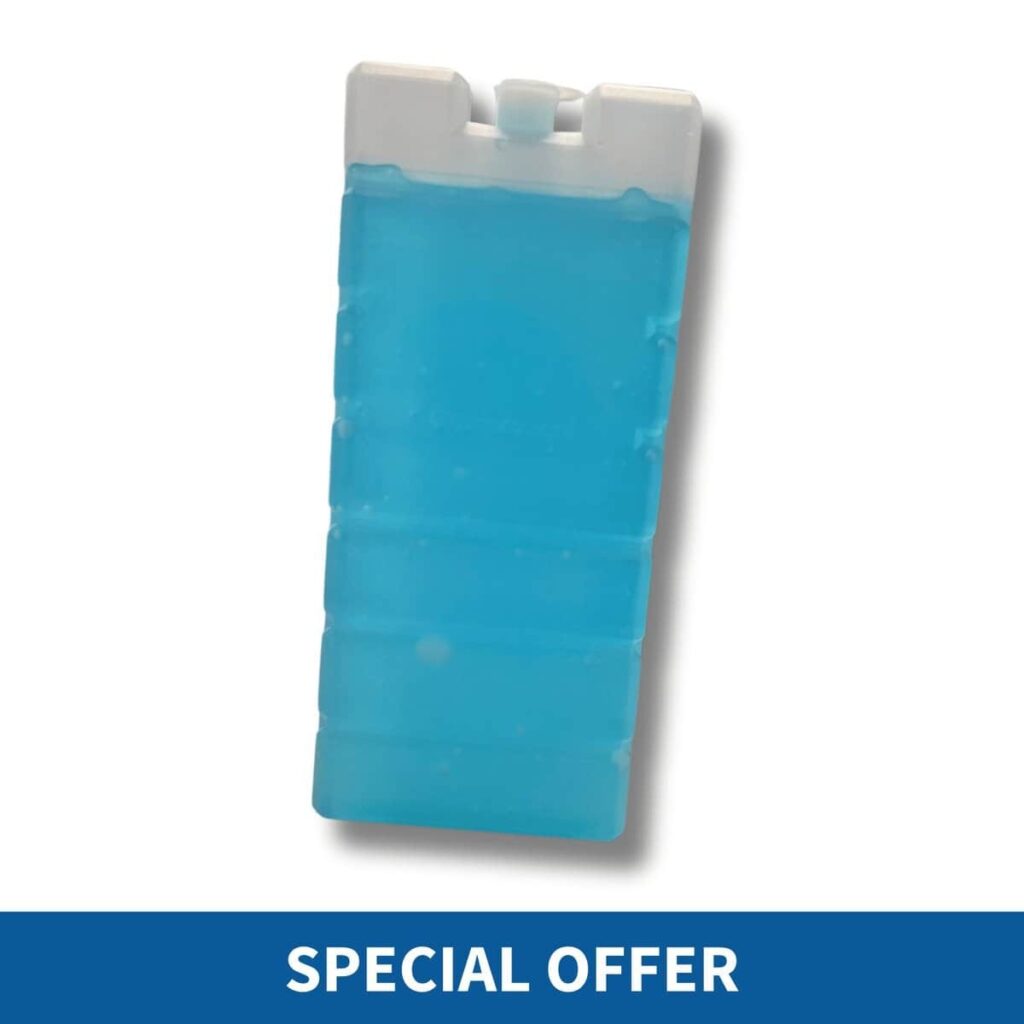
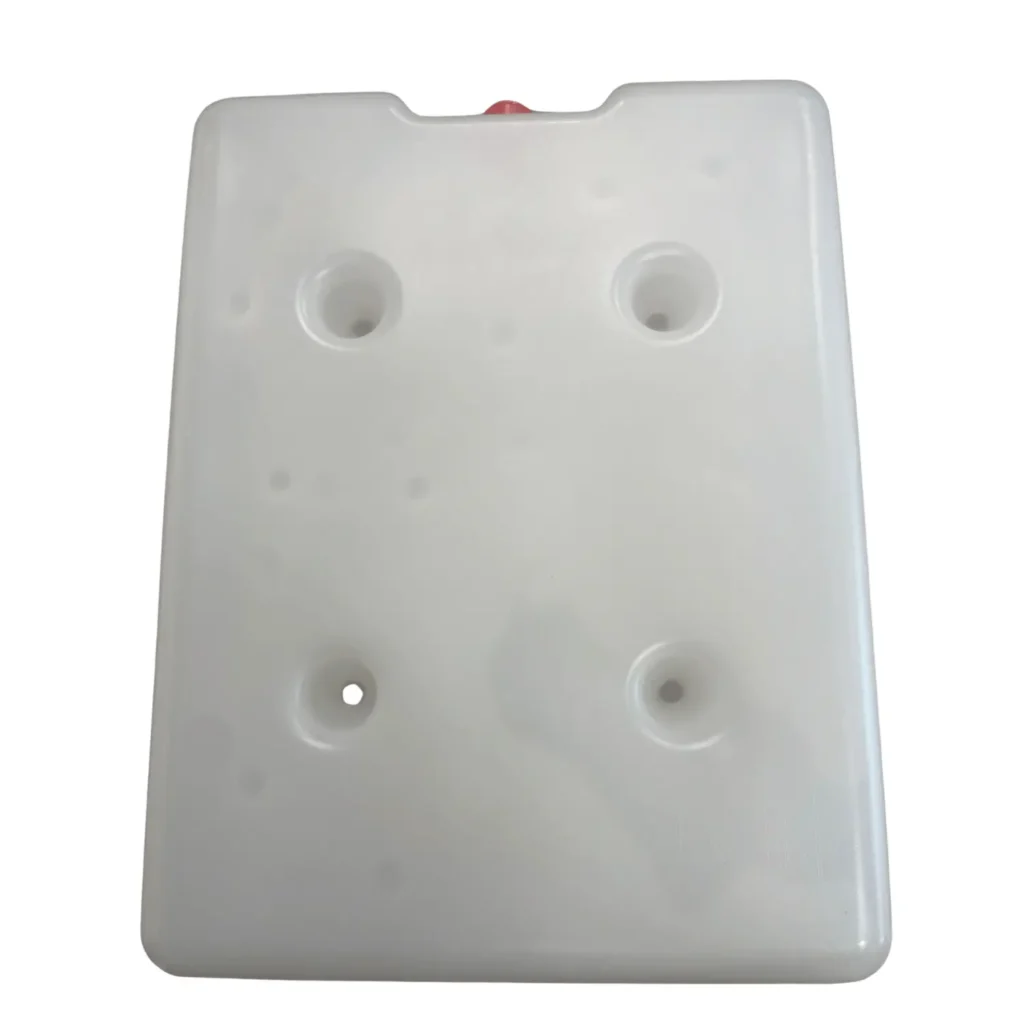
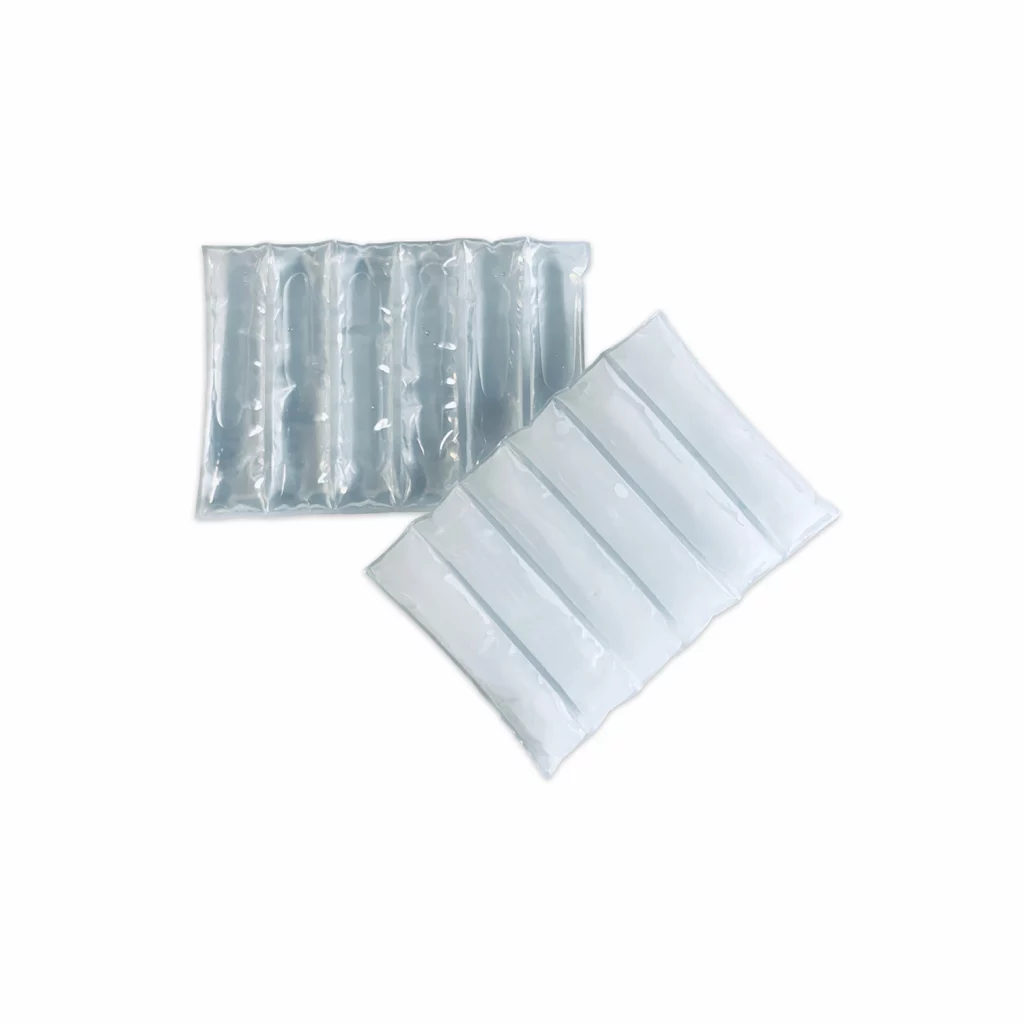
Coolpack researches and applies sustainable packaging solutions that perform technically within temperature-controlled logistics. Among other things, the company offers ecological insulation packaging and biodegradable refrigerants based on carboxymethylcellulose (CMC), a renewable resource. In addition, packaging such as the EcoCoolBox is made from recycled cotton fibers and is fully recyclable. These solutions are designed with monomaterial design, reusability and controlled end-of-life scenarios in mind.
By working within ISO 9001 and ISO 14001, Coolpack safeguards process quality and environmental performance. The focus is on measurable sustainability, not on claims. This allows customers to choose packaging with proven thermal efficiency as well as proven environmental impact.
Sustainability Coolpack and CSR
At Coolpack, we are aware of our responsibility to contribute to society. Both in terms of sustainability and society as a social body.
We weigh the interests of the customer, the environment and society, as well as ourselves as an organization, in all business decisions. In this way, we achieve balanced business operations and together ensure an ever better world.
Product groups
Customer Cases
Contact
- +31 (0)33 457 19 82
- info@coolpack.nl
-
Industrieweg 11b
1566 JN Assendelft
Related blogs
In the logistics of temperature-sensitive products, one factor is critical: stability. Just a few degrees of deviation – or just […]