
Here’s how to reduce your carbon footprint in transportation and distribution
The logistics sector is responsible for a significant portion of global carbon emissions. The rise of e-commerce and the increasing demand for temperature-controlled delivery of medicines, fish and daily fresh food, for example, are increasing the burden on distribution systems.
Especially the cold chain, the refrigerated part of the chain, has unique sustainability challenges. Refrigerated transport requires more energy than regular transport. At the same time, many packaging solutions still consist of non-recyclable or energy-intensive materials such as expanded polystyrene (EPS). This creates a double impact: both in consumption during transport and in waste disposal after delivery.
Yet it is precisely within this chain that there are clear opportunities to reduce emissions. This article discusses practical strategies to reduce CO₂ emissions in transport and distribution. Then we show how Coolpack contributes to a more sustainable supply chain at product level.
Customization for your unique challenge
Choose solutions that fully meet your needs. At Coolpack, we’re ready with innovative and reliable products for conditioned transport. Together we will be happy to discuss what works for you. Discover what’s possible. Click below for more information.
Specialist in the market
For conditioned transport
Always a solution
Perfectly tailored to your situation
Fast delivery
Your products safe and fresh
Trusted quality
Known to perform time and again
Practical strategies to reduce your carbon emissions
Improve logistics planning and load factor
A large portion of emissions in distribution arise from inefficient trips, empty miles and suboptimal loading. By using trip optimization, dynamic route planning and shipment consolidation, fuel consumption per transport unit can be significantly reduced. Digital tools and data analysis support this efficiency drive and enable smarter distribution.
Increase thermal efficiency in refrigerated transport
Temperature-controlled transport consumes up to four times more energy than standard distribution. Modern cooling strategies can reduce this consumption. Phase Change Materials (PCM) utilize latent heat storage and maintain a stable temperature without constant active cooling. In addition, pre-cooling of loads and segmenting temperature zones within means of transportation help reduce energy consumption en route.
Reduce packaging impact through better material selection
Packaging materials are often an underestimated source of emissions. EPS and similar plastics have a high environmental impact and are rarely recycled. Switching to mono-material packaging such as cardboard with insulating paper fibers, or reusable thermal sleeves, can reduce both production emissions and the waste stream. Lighter materials also contribute to lower transportation emissions.
Integrate CO₂ reduction into supply chain strategy
Organizations that want to structurally embed sustainability in their operations are increasingly working with CO₂ budgets or internal emission caps. Horizontal collaboration within the chain, such as shared distribution flows or bundling of deliveries, can also lead to significant savings. Transparency in emissions data between suppliers and customers reinforces joint impact.
In-depth literature
Reducing Carbon Emissions in Cold Chain Logistics – Loading Systems
Systematic Review of Sustainable Cold Chain Packaging – ResearchGate
This is how Coolpack contributes to lower logistics emissions
At Coolpack, we develop solutions that contribute to a lower carbon footprint in transportation and distribution. Our products are designed to match our customers’ sustainability goals in both material selection and thermal performance.
Biobased cooling solutions
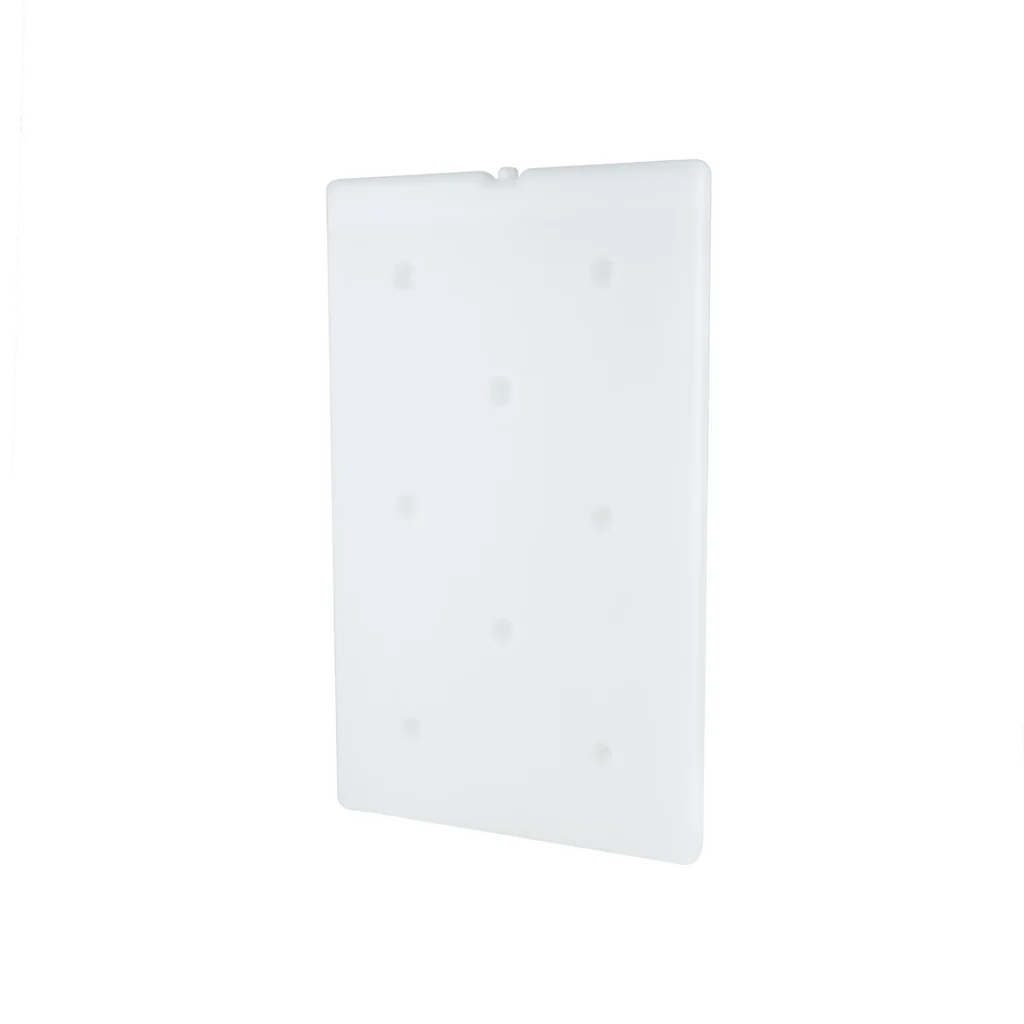
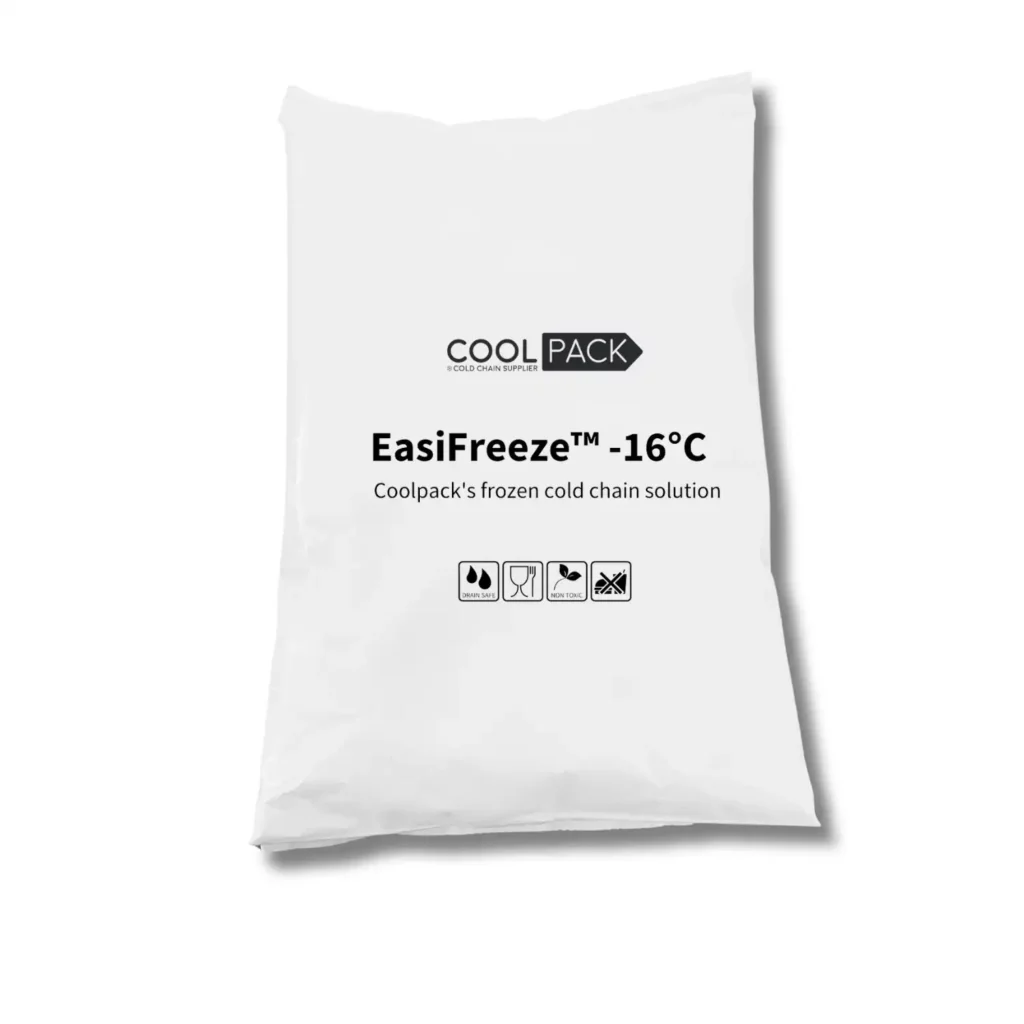
Our CMC gel packs contain a cooling gel based on carboxymethylcellulose, a plant-based thickener that is biodegradable. The gel is completely free of harmful substances and complies with European directives for use in food and pharmaceutical applications. The packs are leakproof, reusable and thermally stable, making them suitable for controlled transport over long distances.
Recyclable and reusable packaging systems
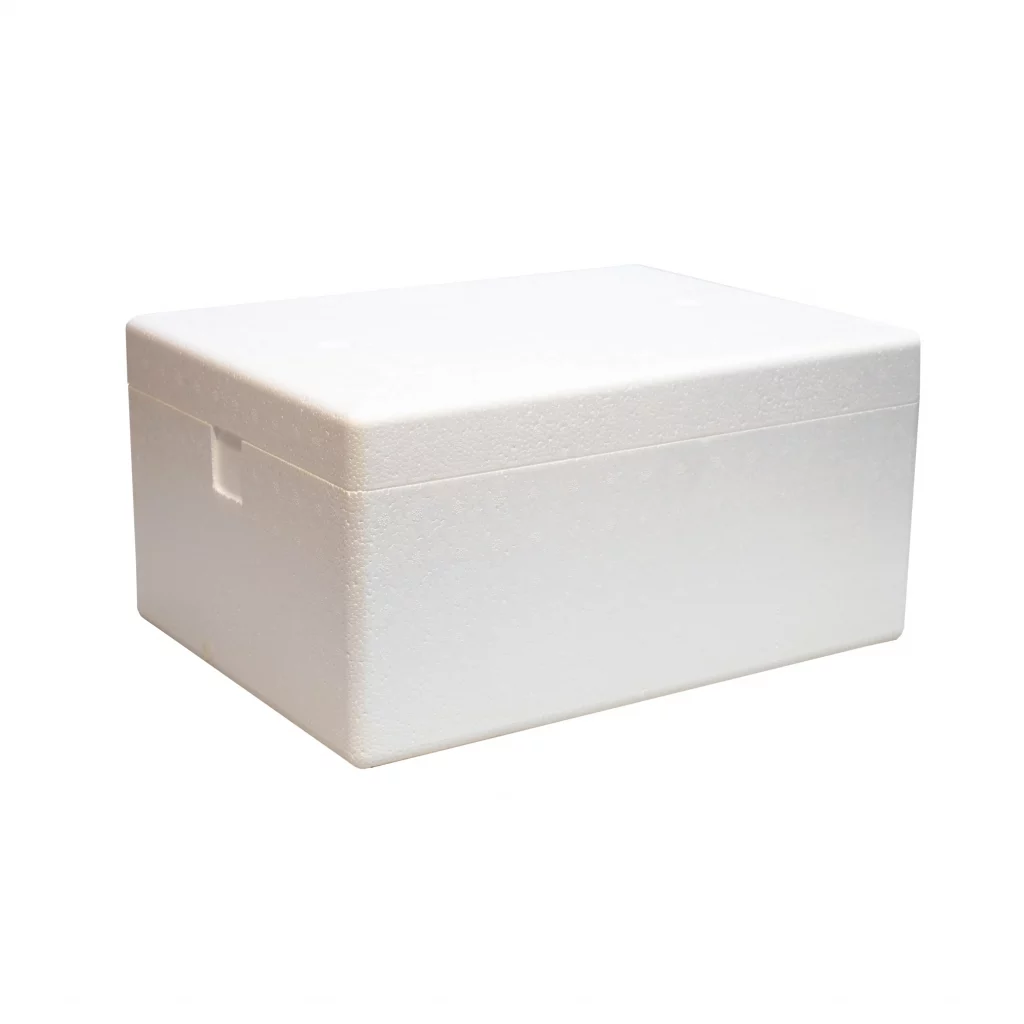
The EcoCoolBox is a cardboard refrigerated packaging based on insulating paper fibers. The design consists of one material type, making it simple and fully recyclable. We also offer reusable alternatives such as EPP boxes and insulating thermal sleeves. These are designed for intensive use in distribution environments and have a long service life, resulting in lower cost per cycle and less waste volume.
Sustainability in process and product development
Coolpack is ISO 14001-certified and applies environmental management in every step of the production process. When developing new products, we systematically test for material impact, energy consumption, waste disposal and CO₂ emissions. Through this integral approach, we contribute to sustainable chain optimization, in cooperation with customers in sectors such as food, pharmaceuticals, healthcare and e-commerce.
Conclusion
Reducing the carbon footprint within logistics requires a combination of process optimization, smart technology and responsible material choices. Refrigerants and packaging are often decisive in this, especially in temperature-sensitive chains.
With bio-based gel packs, circular packaging systems and reusable cooling solutions, Coolpack helps companies to tangibly reduce their emissions. We like to think with you about the right application, tailored to your organization’s logistical requirements and sustainability ambitions.
Sustainability Coolpack and CSR
At Coolpack, we are aware of our responsibility to contribute to society. Both in terms of sustainability and society as a social body.
We weigh the interests of the customer, the environment and society, as well as ourselves as an organization, in all business decisions. In this way, we achieve balanced business operations and together ensure an ever better world.
Product groups
Customer Cases
Contact
- +31 (0)33 457 19 82
- info@coolpack.nl
-
Industrieweg 11b
1566 JN Assendelft
Related blogs

When choosing packaging materials for cold chain refrigerant, many customers face the challenge of combining sustainability and functionality. In this […]

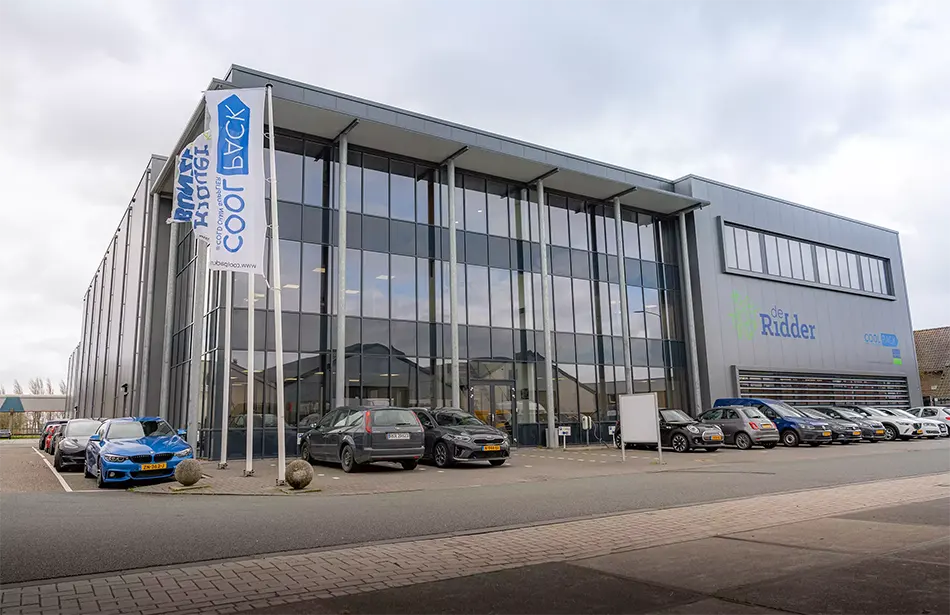
De Ridder BV | Coolpack achieves A Great Place to Work certification! At De Ridder BV | Coolpack, we are […]