
Food waste: causes, impact and solutions
Food waste is a structural problem worldwide within both the food chain and the broader sustainability agenda. According to recent figures from the UNEP Food Waste Index, nearly one-fifth of all food available for consumption is not actually eaten. This includes waste in households, retail and foodservice, as well as losses in the production and distribution chain. The impact is multifaceted: in addition to direct economic damage and reduced food security, waste contributes to increased carbon emissions and inefficient use of resources. Supply chain managers and QHSE managers face the challenge of reducing this waste with targeted strategies in storage, transportation and inventory management.
Customization for your unique challenge
Choose solutions that fully meet your needs. At Coolpack, we’re ready with innovative and reliable products for conditioned transport. Together we will be happy to discuss what works for you. Discover what’s possible. Click below for more information.
Specialist in the market
For conditioned transport
Always a solution
Perfectly tailored to your situation
Fast delivery
Your products safe and fresh
Trusted quality
Known to perform time and again
Causes of food waste
Production and processing
Losses occur in the first links of the chain due to surpluses, inefficient harvesting and strict quality selection. Products that are safe and nutritious are often rejected because of appearance or size.
Distribution and storage
During transportation and storage, temperature control is critical. When the cold chain is interrupted, microbial growth accelerates and quality declines faster than expected. Inventory management also plays a role: FIFO leads to late delivery of products with shorter remaining shelf lives.
Retail and consumer
In retail, much is wasted due to full shelves and incorrect order quantities. Consumers often confuse “use by” with “best before,” causing products to be discarded too early.
Impact of food waste
Food waste has multiple dimensions. Economically, it leads to direct losses for businesses along the chain. According to the UNEP Food Waste Index Report 2024, nearly a fifth of available food is lost worldwide, accounting for over a billion tons per year. Ecologically, the impact is even greater: waste contributes 8-10 percent of global carbon emissions. It also involves unnecessary use of water, energy and farmland.
Strategies and solutions
Monitoring and chain profiling
Companies can reduce waste by mapping realistic time-temperature profiles. Data loggers and time-temperature indicators reveal anomalies so that targeted improvements can be made.
Predictive microbiology
With models such as
ComBase
and
FSSP
can align shelf life dates with actual conditions. This predictive approach prevents unnecessary early rejection of products and supports QHSE processes.
Operational measures
- Application of
FEFO
instead of FIFO. - Reduce lead times through
cross-docking
. - Use of
Mean Kinetic Temperature (MKT)
as a KPI for batch and lane performance. - Implement donation and redistribution protocols to utilize surpluses.
Retail and consumer
Dynamic pricing strategies and smaller package sizes can reduce waste. In addition, clear communication about date labels remains essential to avoid misunderstandings.
Conclusion core
Food waste results from a combination of production deviations, poor cold chain control and consumer behavior. By integrating monitoring, predictive models and operational discipline into the supply chain, supply chain managers and QHSE leaders can substantially reduce waste.
The role of Coolpack
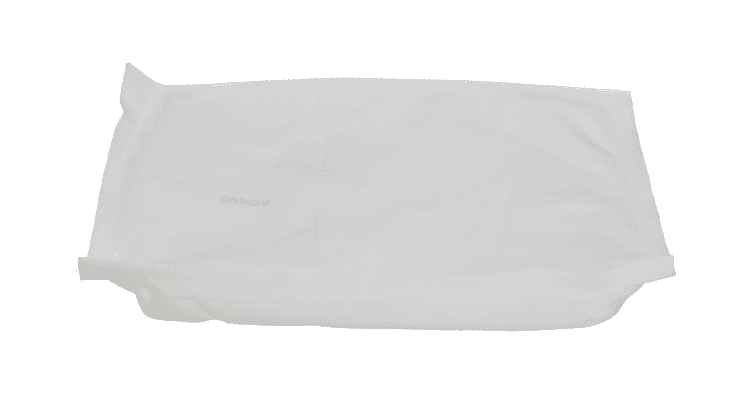
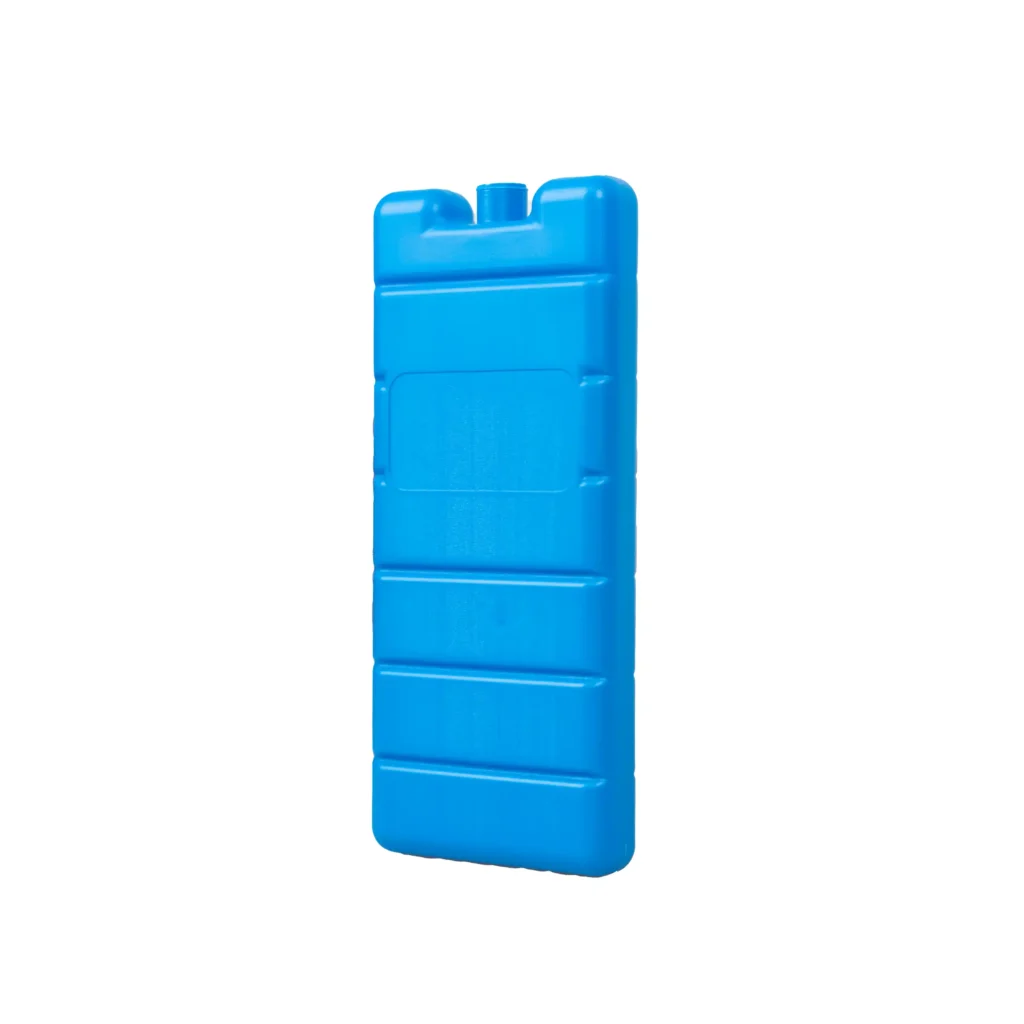
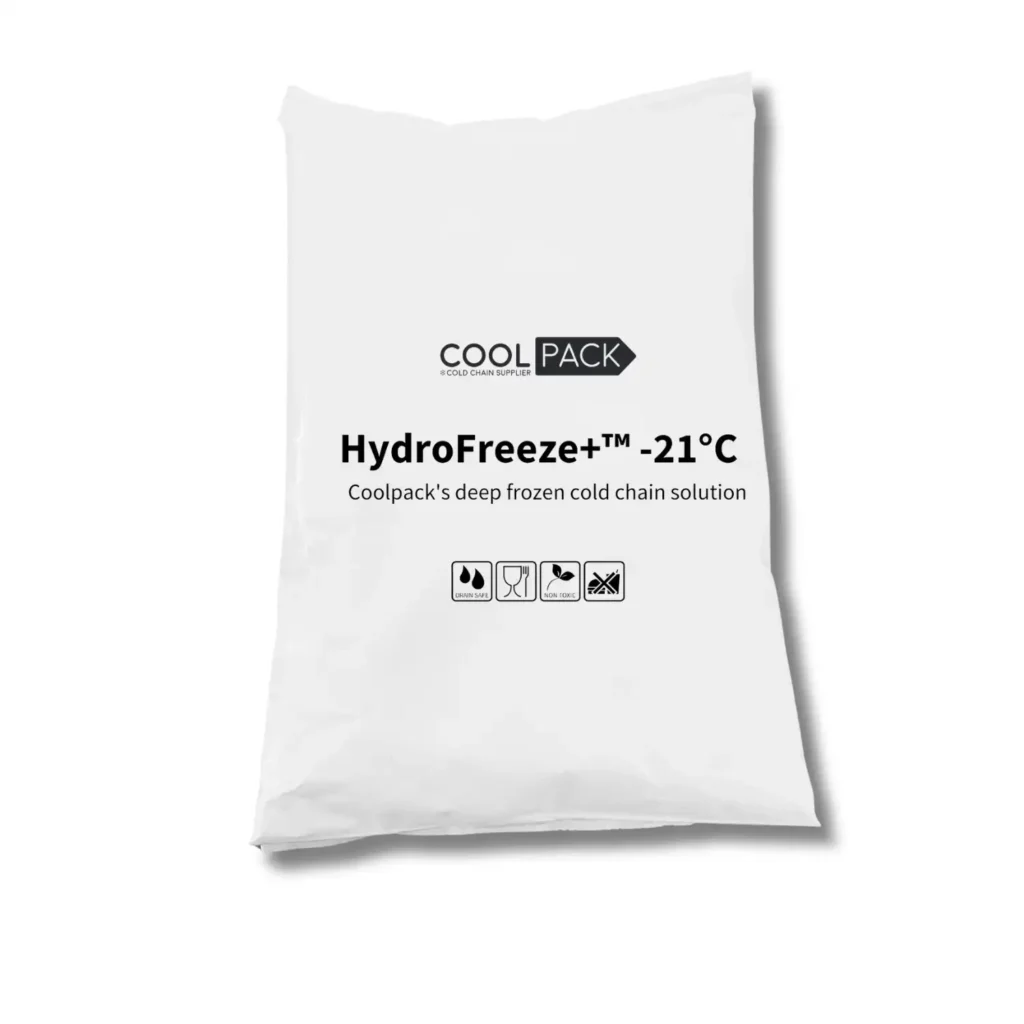
Reducing food waste requires stable temperature control during transport and storage. Coolpack supports this with solutions such as
Phase Change Materials (PCMs)
,
gel packs
and
reusable cooling elements
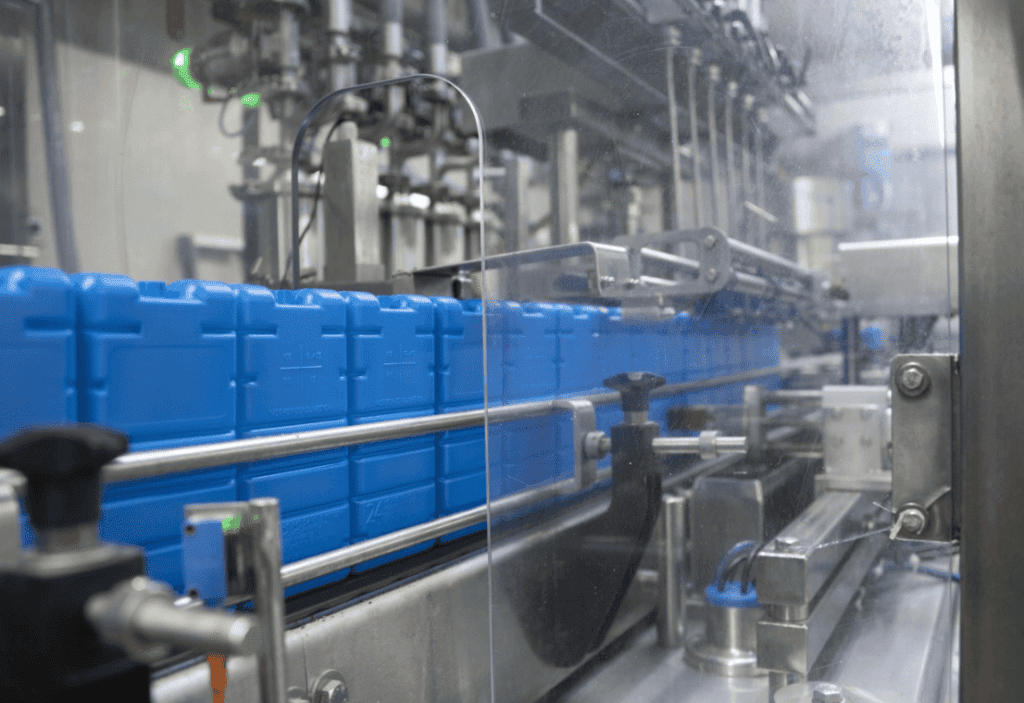
that minimize temperature fluctuations. Insulation boxes and pallet covers increase thermal efficiency and protect products during transshipment moments. With materials such as HDPE, rHDPE and biobased alternatives, we offer reusable and recyclable systems that fit into circular logistics. Thanks to quality assurance via
ISO 9001
and
ISO 14001
these solutions deliver reliable performance. This is how Coolpack helps companies reduce the gap between theoretical shelf life and practice and structurally reduce waste.
Sustainability Coolpack and CSR
At Coolpack, we are aware of our responsibility to contribute to society. Both in terms of sustainability and society as a social body.
We weigh the interests of the customer, the environment and society, as well as ourselves as an organization, in all business decisions. In this way, we achieve balanced business operations and together ensure an ever better world.
Product groups
Customer Cases
Contact
- +31 (0)33 457 19 82
- info@coolpack.nl
-
Industrieweg 11b
1566 JN Assendelft
Related blogs
We humans love chocolate. On a typical day, the world eats some one billion people chocolate! But with these summer […]