
Predictive analytics in cold chain logistics: operation and applications
In temperature-controlled logistics, reliability is crucial. Products such as medicines and fresh foods are highly dependent on stable conditions during transport and storage. Traditionally, monitoring was primarily used to identify abnormalities after the fact. With the advent of predictive analytics, the focus is shifting from reacting to predicting. By using historical data, real-time sensors and algorithms, risks of temperature deviations, delays or product loss can be estimated in advance. This makes it possible to deploy interventions earlier and reduce the risk of quality loss. Predictive analytics thus offers a practical addition to existing monitoring methods within the cold chain.
Customization for your unique challenge
Choose solutions that fully meet your needs. At Coolpack, we’re ready with innovative and reliable products for conditioned transport. Together we will be happy to discuss what works for you. Discover what’s possible. Click below for more information.
Specialist in the market
For conditioned transport
Always a solution
Perfectly tailored to your situation
Fast delivery
Your products safe and fresh
Trusted quality
Known to perform time and again
What predictive analytics entails
Predictive analytics is the use of historical and real-time data to predict future conditions. In the cold chain context, it involves calculating risks of temperature anomalies, delays or quality loss before they actually occur. By coupling algorithms with data from data loggers, telematics and weather forecasts, companies can not only react to incidents, but take proactive action.
Data and models in the cold chain
Sources of data
Sensors in vehicles, data loggers in packages and tracking data from transportation management systems form the basis for forecasts. External data, such as weather conditions and traffic information, are also integrated.
Modeling techniques
Time series models
(e.g., ARIMA or Prophet) analyze patterns in temperature and delivery times.
Neural networks
such as LSTM recognize complex patterns in sensor data and can predict anomalies.
Digital twins
combine product, packaging and environmental data into a virtual model that is used to run scenarios.
These techniques make it possible to predict shelf life and quality loss more realistically than with fixed tables or only retrospective monitoring.
Applications in practice
Excursion Prevention
By having models predict where a temperature anomaly is likely to occur, a shipment can be diverted or provided with additional cooling capacity in a timely manner. This reduces the likelihood of goods going out of specification.
Capacity and route planning
Predictive models help plan vehicle selection, insulation and cooling capacity. Companies can optimize routes and loading plans based on demand forecasts, reducing waste and energy costs.
Batch release and quality decisions
Mean Kinetic Temperature (MKT) is a method of reducing the entire temperature history of a shipment to a single risk-relevant value. Predictive analytics makes it possible to predict MKT already in transit so that batches can be dynamically released or repurposed.
Operational advantages and preconditions
Applying predictive analytics offers clear benefits: lower shrinkage, better utilization of cooling capacity and higher reliability towards customers and regulators. At the same time, it requires a solid data foundation:
Data quality
: sensors must be calibrated, and data streams synchronized.
Standardization
: uniform storage and retrieval of logger and TMS data prevents fragmentation.
Validation
: Models should be tested by product type, lane and season.
Compliance
: all predictive decisions must be traceable and documented in line with GDP and QMS requirements.
Conclusion core
Predictive analytics is transforming the cold chain from reactive monitoring to proactive risk management. For supply chain managers, QHSE specialists and sustainability leads, it offers the opportunity to better manage logistics processes, reduce food and drug losses and use energy more efficiently.
The role of Coolpack
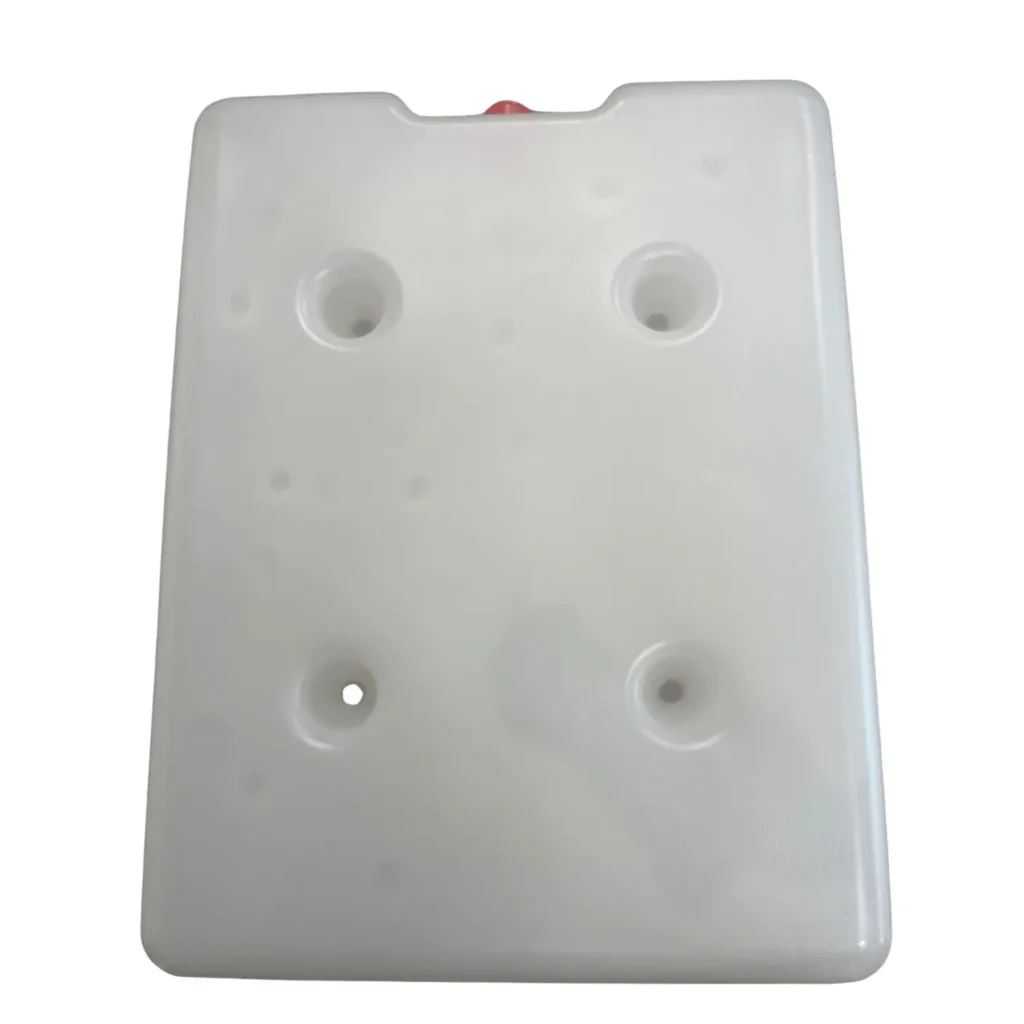
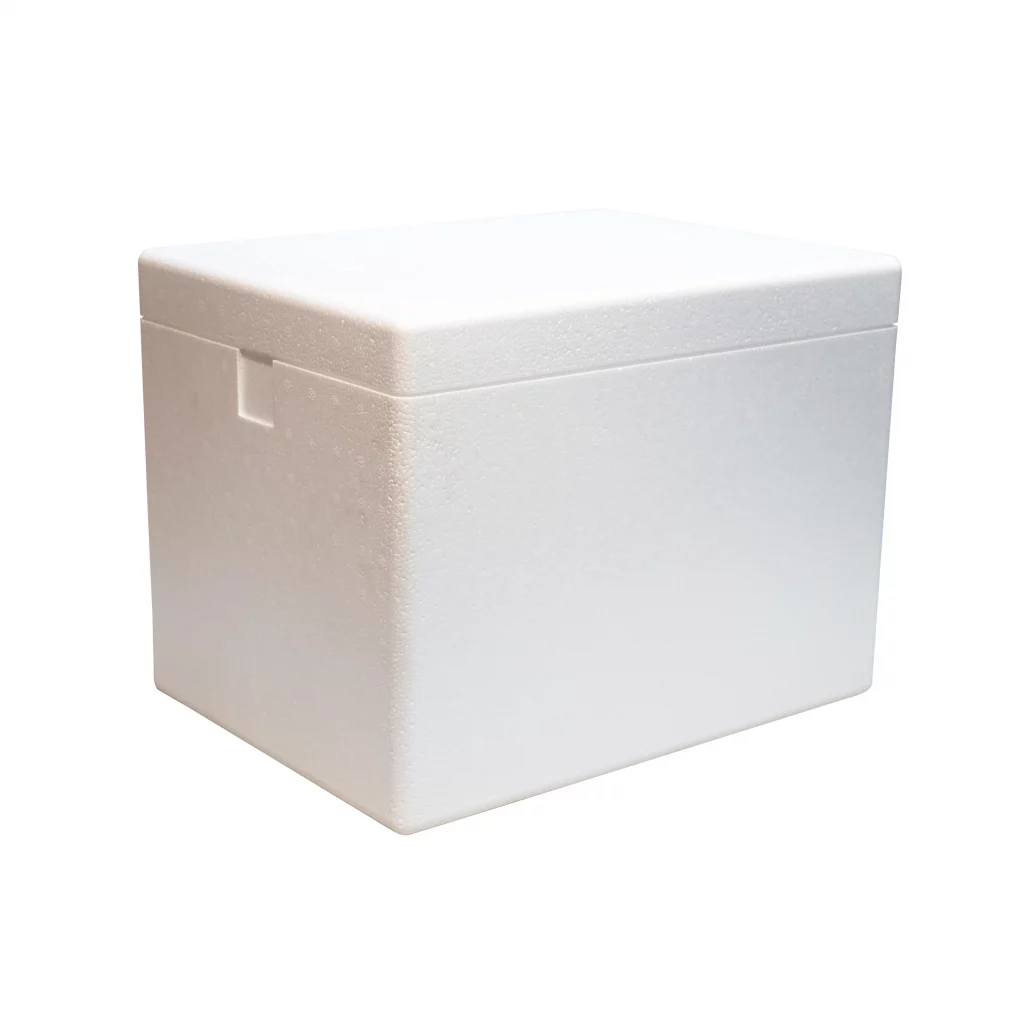
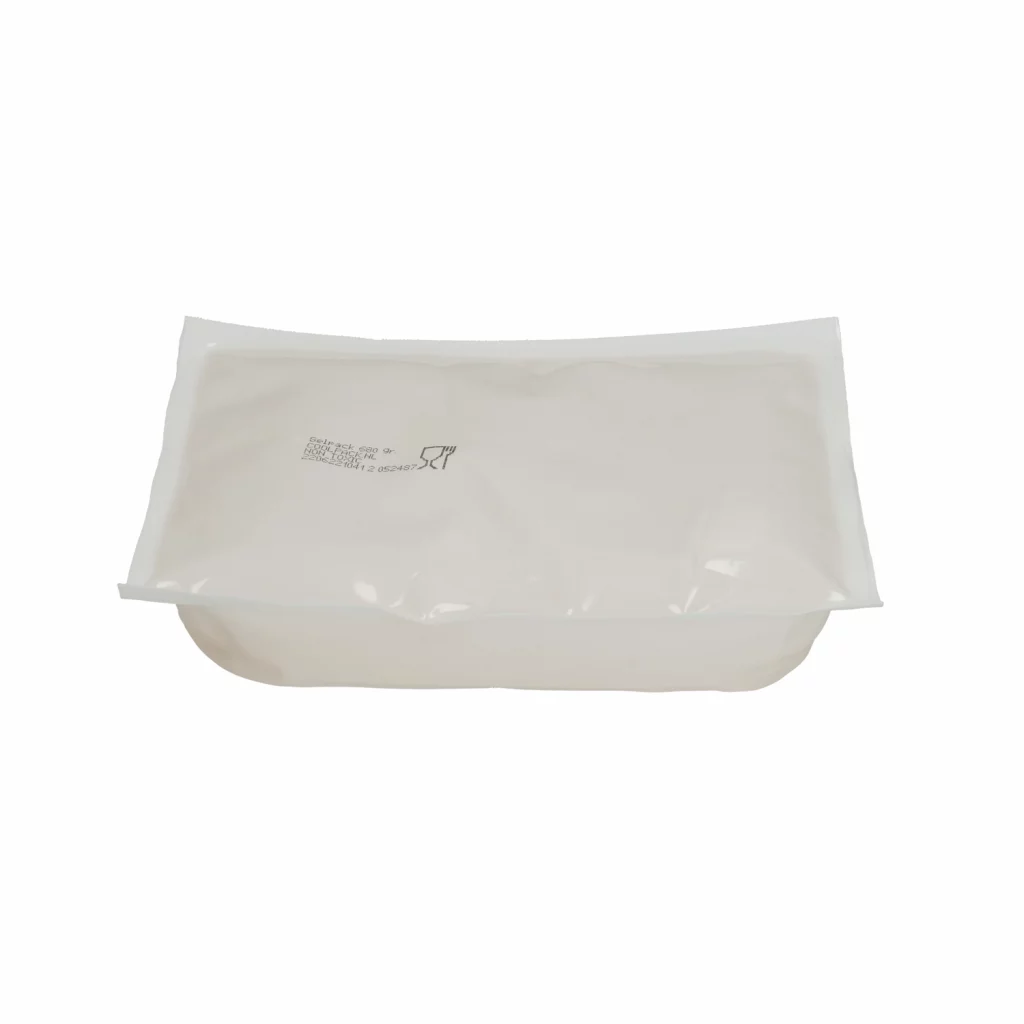
Predictive analytics offers value only when the physical conditions in the cold chain are reliable. Coolpack supports this with solutions that minimize temperature fluctuations, such as Phase Change Materials (PCMs), gel packs and reusable cooling elements. In combination with thermoboxes, insulation bags and pallet sleeves, a stable base profile is created that allows predictive models to function correctly. Because Coolpack works according to ISO 9001 and ISO 14001, quality assurance and environmental management are structurally integrated. Thus, our products contribute to an environment in which predictive analytics can be effectively applied to reduce waste, risks and emissions.
Sustainability Coolpack and CSR
At Coolpack, we are aware of our responsibility to contribute to society. Both in terms of sustainability and society as a social body.
We weigh the interests of the customer, the environment and society, as well as ourselves as an organization, in all business decisions. In this way, we achieve balanced business operations and together ensure an ever better world.
Product groups
Customer Cases
Contact
- +31 (0)33 457 19 82
- info@coolpack.nl
-
Industrieweg 11b
1566 JN Assendelft
Related blogs

The rise of online grocery delivery The online grocery delivery market in Europe has witnessed unprecedented growth, driven by shifting […]
In the evolving landscape of cold chain logistics, the trend toward reusable thermal packaging solutions is gaining significant momentum. Traditionally, […]