
The impact of climate change on food and medicine transportation
Climate change is putting food and medication logistics chains under increasing pressure. Extreme heat waves, floods and unpredictable seasonal patterns disrupt transportation and storage conditions. This leads to accelerated spoilage, delays and loss of quality, with significant implications for food safety and medication effectiveness.
In this article, we highlight the operational risks that climate shocks pose to the security of supply and quality control of temperature-sensitive products. We then address adaptation strategies, such as robust refrigerated packaging and resilient supply chains. Finally, we link these insights to the solutions Coolpack offers for climate-adaptive distribution of food and pharmaceutical products.
Customization for your unique challenge
Choose solutions that fully meet your needs. At Coolpack, we’re ready with innovative and reliable products for conditioned transport. Together we will be happy to discuss what works for you. Discover what’s possible. Click below for more information.
Specialist in the market
For conditioned transport
Always a solution
Perfectly tailored to your situation
Fast delivery
Your products safe and fresh
Trusted quality
Known to perform time and again
Operational risks and adaptation strategies
Disruption of food supply and price volatility due to climate shocks
Climate disturbances such as heat waves, drought and irregular precipitation affect harvest and transportation of perishable products. This causes higher prices and fluctuations in food availability. In countries like India, for example, this led to significant inflation on vegetable prices.
Vulnerability of pharmalogistics in extreme weather
Pharmaceutical supply chains are particularly sensitive to weather extremes. Temperature deviations of just one or two degrees Celsius can be enough to impair drug efficacy. Floods or storms also cause logistical disruptions or damage to production facilities. A well-known example is Hurricane Maria, which knocked out dozens of production units in Puerto Rico.
Building resilience with advanced technology and supply chain models
Adaptive and robust food and medicine supply chains are essential to deal with the impacts of climate change. Simulation models and vulnerability analysis help logistics managers identify risks. Digital systems, including climate risk integration in supply chain planning, offer scalable and future-proof solutions.
In-depth resources
- Adapting food supply chains to climate change. – A systematic approach to vulnerability and adaptation within food chains.
- Pharma’s climate change vulnerability and opportunity. – Describes risks and opportunities for pharmaceutical suppliers in light of climate pressures.
Coolpack solutions for climate-adaptive distribution
Climate change places greater demands on temperature-controlled logistics. Packaging and refrigeration solutions must withstand more extreme conditions, longer transit times and greater temperature fluctuations. Coolpack supports companies in the food and pharmaceutical industries with solutions designed for thermal stability, reusability and deployability under varying climate conditions.
Thermally reliable refrigerants
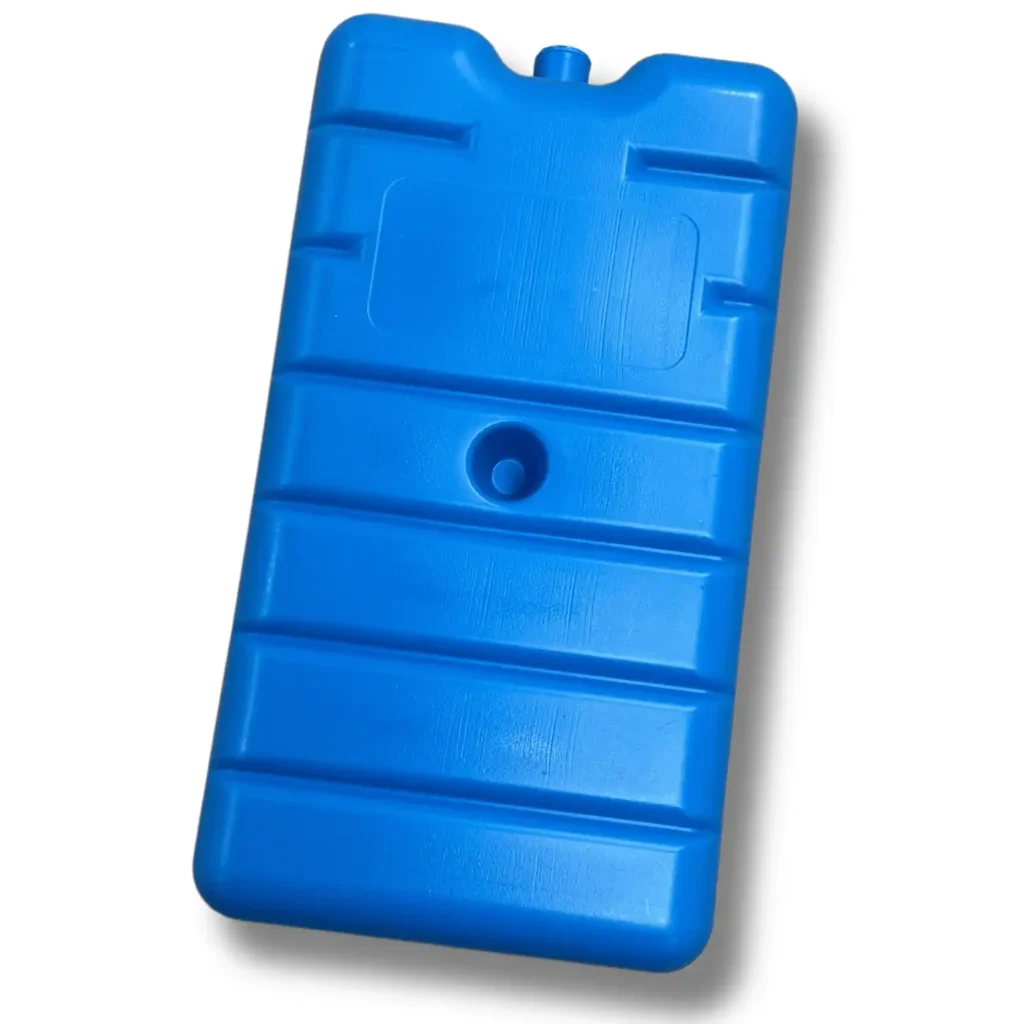
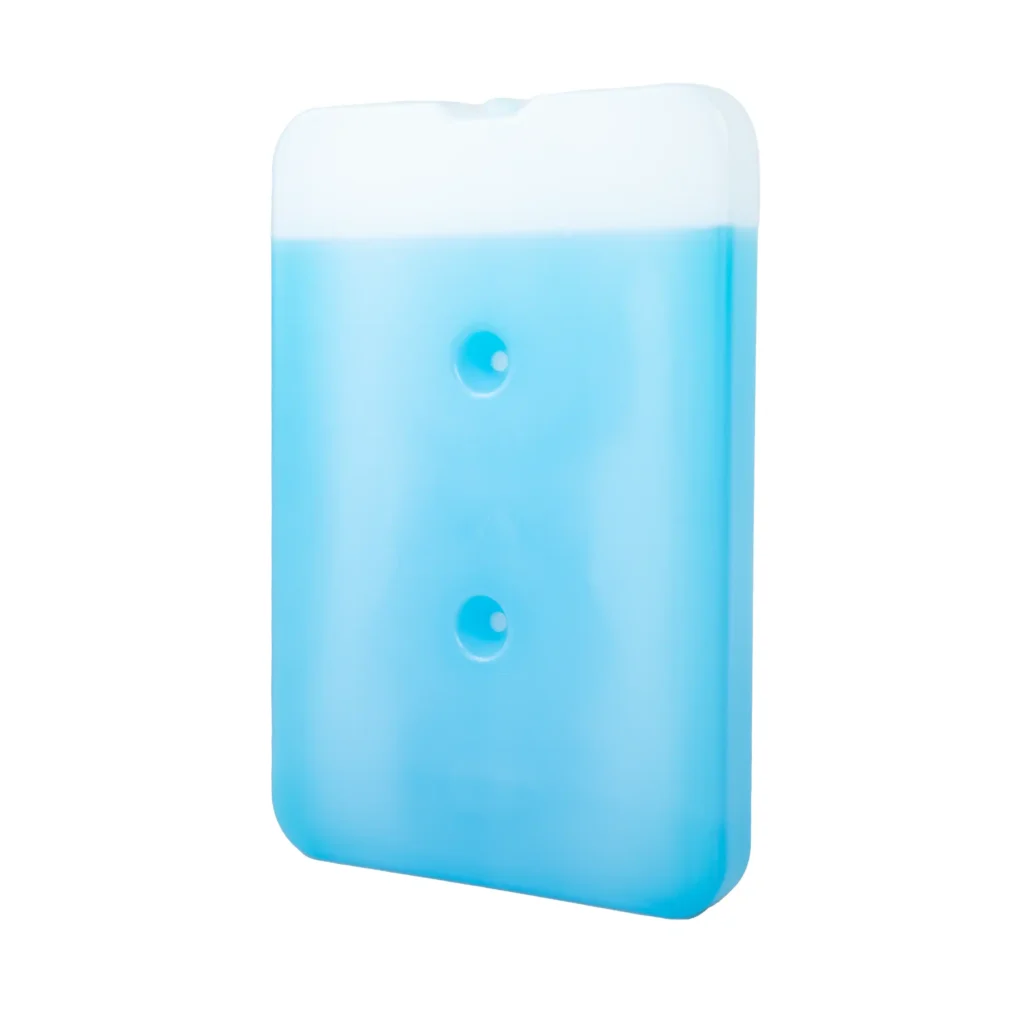
Coolpack supplies a wide range of refrigerants, including Phase Change Materials (PCM) and CMC gel packs. These cooling solutions are tailored to specific temperature ranges, such as 2 to 8 degrees Celsius, minus 16 degrees or ambient. PCMs provide long-term temperature stability without reliance on active cooling. CMC gel packs are biodegradable and suitable for transporting food and pharmaceuticals under tightly controlled conditions.
Packaging solutions for varying climate conditions
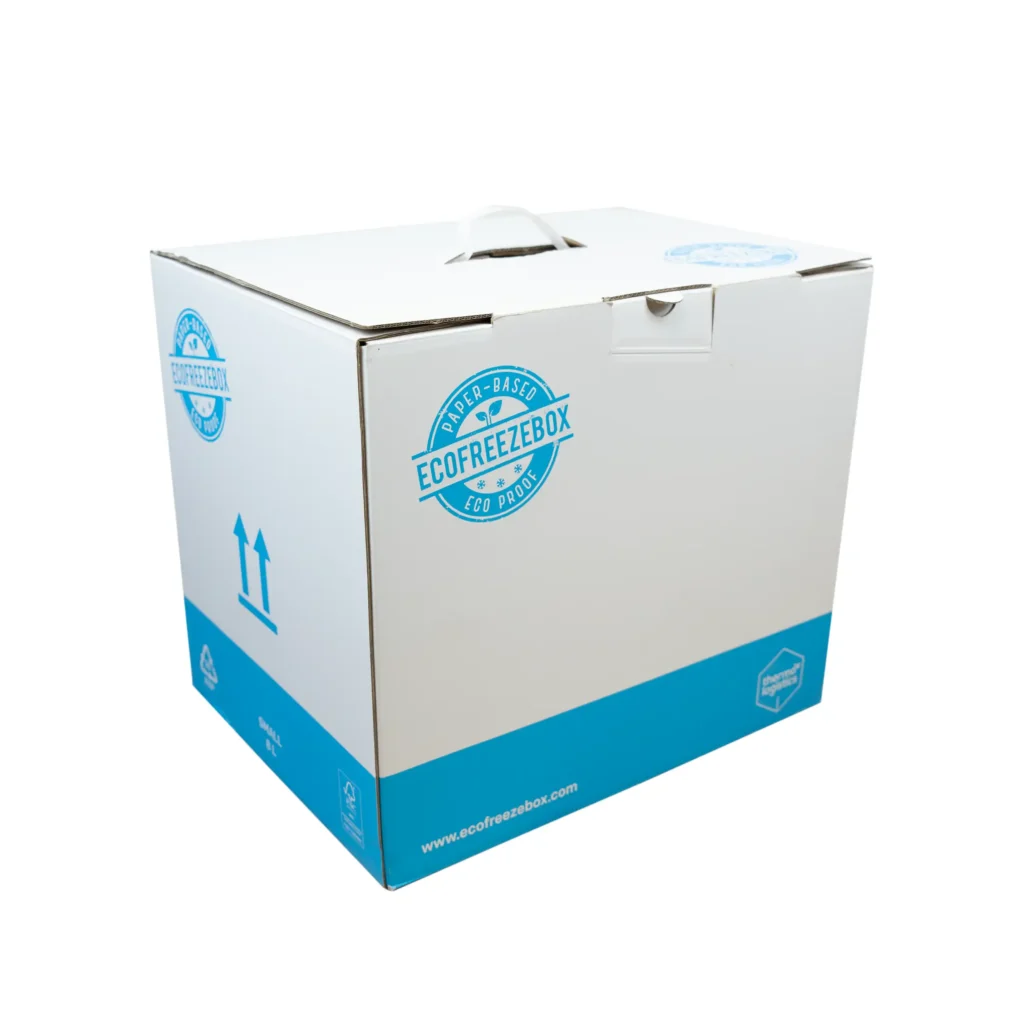
For transportation where temperature fluctuations are expected, we offer packaging systems with high insulation values. EPS boxes are suitable for short distribution cycles, EPP packaging is designed for repeated use, and the EcoCoolBox offers a circular alternative based on mono-material paper fibers. All of these systems have been tested for temperature retention and are compatible with various refrigerant configurations.
Support in scenarios with climate influence
Coolpack solutions are used in distribution scenarios with increased climate influence. Think of mobile healthcare services during heat waves, vaccine transport to tropical regions or conditioned last-mile deliveries in densely populated cities. In these applications, thermal efficiency is essential to prevent temperature anomalies and comply with guidelines such as GDP for medicine and HACCP for food.
Conclusion
The impact of climate change on food and medicine transportation requires robust, temperature-controlled packaging solutions that are prepared for variation and uncertainty. At Coolpack, we design and manufacture systems tailored to this new logistics reality.
Want to know which solution is most suitable for your application or distribution scenario? We are happy to think with you, based on temperature requirements, chain design and operational objectives.
Sustainability Coolpack and CSR
At Coolpack, we are aware of our responsibility to contribute to society. Both in terms of sustainability and society as a social body.
We weigh the interests of the customer, the environment and society, as well as ourselves as an organization, in all business decisions. In this way, we achieve balanced business operations and together ensure an ever better world.
Product groups
Customer Cases
Contact
- +31 (0)33 457 19 82
- info@coolpack.nl
-
Industrieweg 11b
1566 JN Assendelft
Related blogs

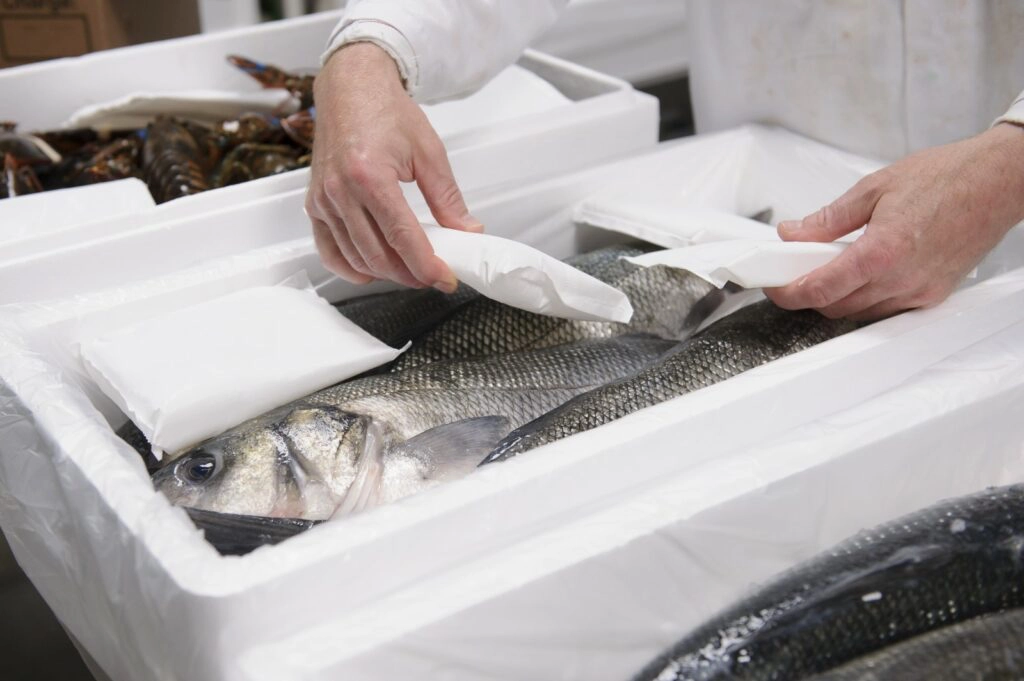
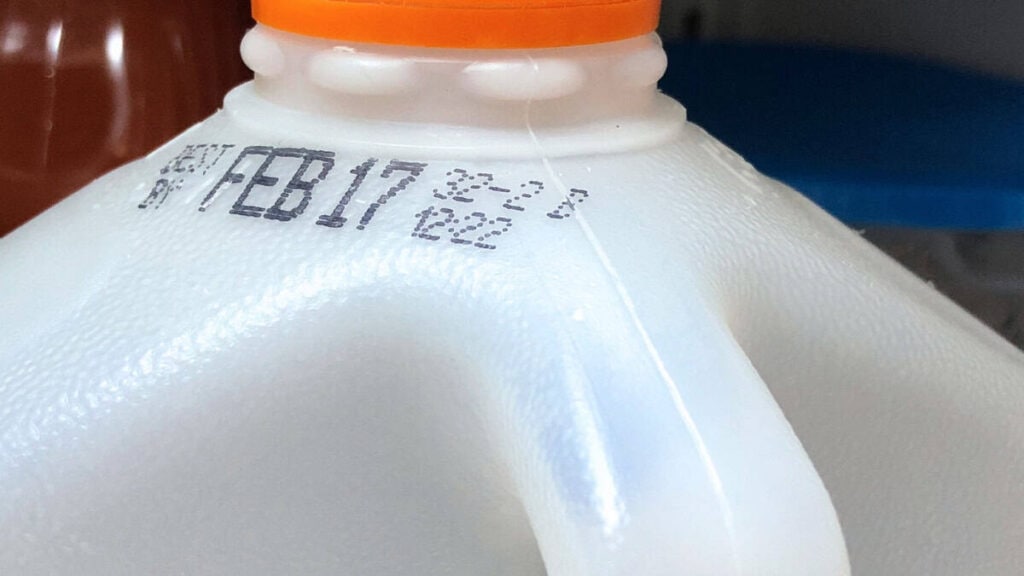
Shelf life dates on food products play a crucial role in food safety and quality assurance. Yet in practice, consumers […]