The science behind freezing and defrosting performance in refrigerants
In temperature-controlled logistics, the freezing and thawing behavior of refrigerants determines how stable a product remains within the required temperature band. Yet this behavior is often misjudged. Most deviations are not caused by the insulating material, but by variation in the phase transition of the refrigerant itself. The rate at which a refrigerant freezes, the latent heat retained or released during the transition and the uniform distribution of crystal formation collectively determine thermal efficiency. When preconditioning is not performed correctly, or when the thermal load is higher than anticipated, the refrigerant can thaw more quickly and a larger temperature difference occurs in the package. For industries such as pharmaceutical distribution, perishable food and conditioned e-commerce, a good understanding of these processes has direct impact on product quality and risk management.
Customization for your unique challenge
Choose solutions that fully meet your needs. At Coolpack, we’re ready with innovative and reliable products for conditioned transport. Together we will be happy to discuss what works for you. Discover what’s possible. Click below for more information.
Specialist in the market
For conditioned transport
Always a solution
Perfectly tailored to your situation
Fast delivery
Your products safe and fresh
Trusted quality
Known to perform time and again
Physical principles that determine freezing and thawing performance
Latent heat and the phase transition
The basis of any refrigerant is the amount of latent heat exchanged during melting or freezing. Latent heat (kJ/kg) determines how much energy is required to convert the solid phase to liquid without temperature change. During the phase transition, the temperature of the refrigerant remains nearly constant. For water, this occurs around 0 degrees Celsius. With Phase Change Materials (PCMs), the transition temperature can be precisely tuned to the desired temperature range, for example, 2 to 8 degrees or lower frozen values. The higher the latent heat per kilogram, the longer the refrigerant can maintain a stable temperature in a sealed container.
Specific heat and heat capacity
In addition to latent heat, specific heat plays an important role. This is the amount of energy required to change the temperature of one kilogram of material by one degree. A refrigerant with a high specific heat heats up more slowly during transport. Materials such as water and certain gel PCMs combine relatively high specific heat with a usable phase transition, making them suitable for conditioned logistics.
Heat conduction and heat flux
The thermal conductivity determines how quickly energy moves through the refrigerant. A pack with high thermal conductivity can absorb heat faster, but also transfers it to the surrounding product faster. With slow thermal conductivity, the cold remains concentrated in the core of the refrigerant for longer. In practical applications, this means that refrigerants with different fillings and densities each exhibit a different heat flux profile. This affects the temperature distribution within a package and the speed of thawing.
The influence of freezing and thawing rates on performance
Freezing rate and crystal structure
The structure of the frozen material directly affects thermal efficiency. Rapid freezing creates a finer crystal structure that can improve heat transfer. At the same time, freezing too fast can cause mechanical stress, leading to internal fracture or volume increase in some refrigeration fillings. With slow freezing, larger crystals form, which can cause uneven distribution of cold within the pack. In both cases, an irregular freezing front later affects the melting curve.
Defrost rate and thermal load
The rate at which a refrigerant thaws is determined by the external heat load. Factors that affect this include: insulation value of the pack, ambient temperatures, airflow and physical positioning of the packs. When the heat flux exceeds the amount of latent heat the refrigerant can absorb, the temperature will rise faster. If insufficient cold buffer is present, a rising temperature profile occurs that may fall outside the allowable range.
The role of mass and surface area
A larger volume of refrigerant contains more latent heat and thus stays cold longer, but a larger surface area accelerates exchange with the environment. Manufacturers therefore design combinations of volumes, thicknesses and film types that proportionally match the desired melting time. For applications with longer runs or varying profiles, larger elements or PCMs with higher energy densities are often chosen.
Practical strategies for optimal performance
Correct preconditioning
Many deviations in temperature-controlled logistics arise from improper preconditioning of refrigerants. Uniform preconditioning is essential. Packs must be completely frozen through and have had sufficient time to stabilize. Too rapid rotation in the freezer, overfilled freezer drawers or insufficient air circulation can lead to unevenly frozen refrigerants. Professional guidelines recommend separate layers, a constant freezing environment and controlled stabilization times to minimize variation.
Coordination between refrigerant and temperature range
Water-based refrigerants are functional in a range around 0 degrees Celsius, but may be too cold for products that should not freeze. PCM-based components allow for precise control of temperature bands. Their phase transition temperature is specifically matched to the target product, making the thawing phase more predictable. For pharmaceutical products, this prevents temperature fluctuations that fall outside the allowable bandwidths.
Impact of insulation and package configuration
A refrigerant never functions in isolation. Its overall performance is determined by the interaction of refrigerant, insulating material and loading configuration. Factors such as the thickness of insulating material, conductivity of inner walls, shape of the package and the ratio of refrigerant mass to product mass determine thermal behavior. In validation runs, these elements are tested in combination under different profiles.
Testing and validation methods
Companies use standardized temperature profiles to assess performance. Methods such as ISTA profiles analyze what happens when exposed to temperature fluctuations during transportation. Validation typically includes measurements of cold life, stability within the temperature band and the behavior of refrigerants in extreme scenarios. In many industries, regular requalification is required to accommodate changes in product flows, seasons or packaging materials.
Models and data to predict performance
Thermal simulations
Numerical models allow companies to predict how quickly refrigerants thaw under specific conditions. Simulations use parameters such as latent heat, specific heat, mass, conductivity, insulation values and heat leaks. These models are used to determine the optimal number of packs, build scenarios for summer and winter transport, and improve risk analysis.
Measurement data and practice profiles
Real thermal data provide a more realistic picture than theoretical assumptions. Combining measurements from transports with climatic chamber measurements produces accurate melting curves. These are used to reconfigure packaging or adjust refrigerant types. Companies using temperature recording can more quickly trace deviations to causes such as incorrect preconditioning, insufficient refrigerant mass or deviating insulation values.
Coolpack in practice
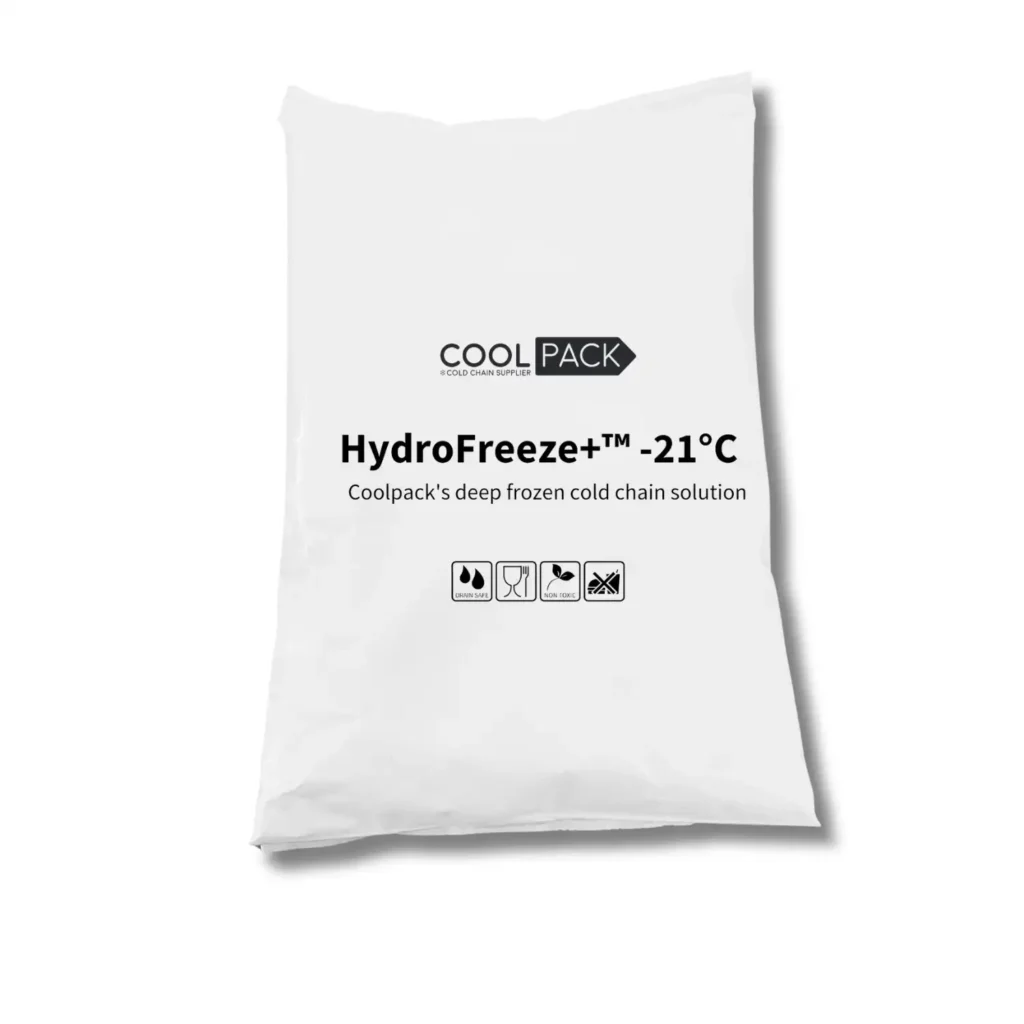
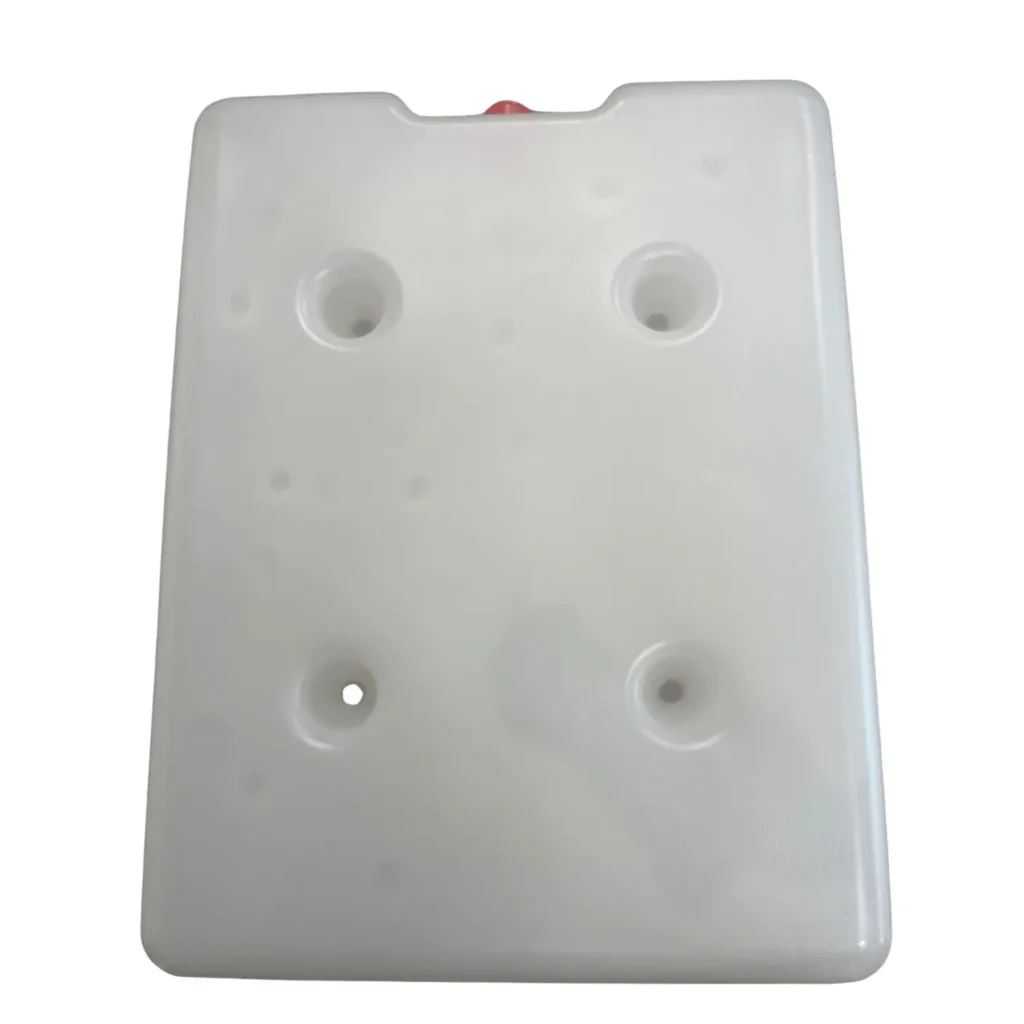
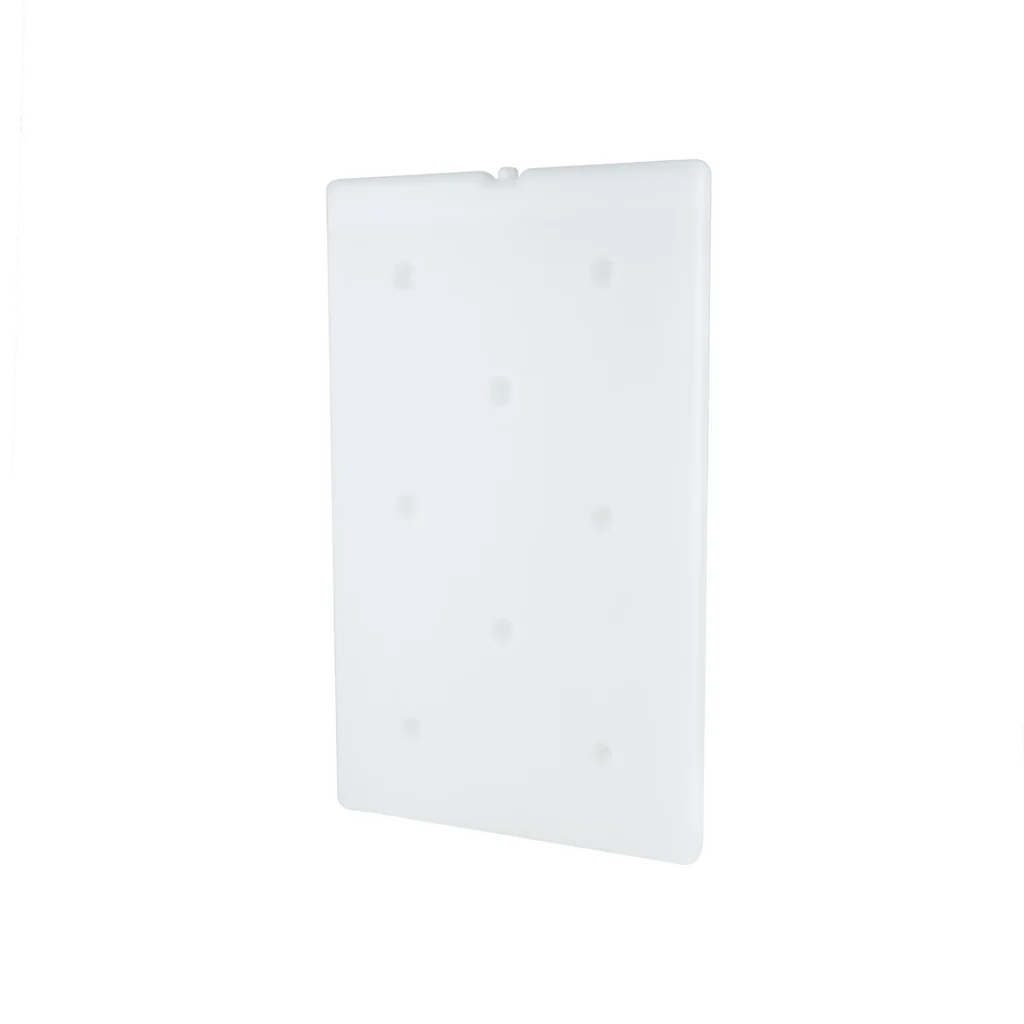
The principles discussed are directly applicable in temperature-controlled logistics. Coolpack produces water-based cooling elements, gel packs and PCM solutions with specific melting points to match a variety of temperature profiles. Consistent production specifications, controlled fills and stable phase transition temperatures keep performance predictable during freezing and thawing phases. In industries such as food, pharmaceutical and e-commerce, this helps achieve a stable temperature band and reduce risk in the supply chain. Organizations looking to optimize their refrigeration configurations can combine technical product data, thermal measurement results and packaging parameters for an accurate solution. For substantive questions about applications or product selection, we are happy to think along with you.
Sustainability Coolpack and CSR
At Coolpack, we are aware of our responsibility to contribute to society. Both in terms of sustainability and society as a social body.
We weigh the interests of the customer, the environment and society, as well as ourselves as an organization, in all business decisions. In this way, we achieve balanced business operations and together ensure an ever better world.
Product groups
Customer Cases
Contact
- +31 (0)33 457 19 82
- info@coolpack.nl
-
Industrieweg 11b
1566 JN Assendelft
Related blogs


The rise of online grocery delivery The online grocery delivery market in Europe has witnessed unprecedented growth, driven by shifting […]